Solar GeneratorsPillar
Best Solar Generators for Emergency Power (2026)
We tested and compared the top solar generators for emergency preparedness. Our picks for best overall, best value, and best budget options with real-world performance data.
By Editorial Team2 min read
Affiliate Disclosure: This article contains affiliate links. We may earn a commission if you purchase through these links, at no extra cost to you. Our editorial recommendations are independent of these partnerships. Learn about our editorial standards.
Key Takeaways
- 1EcoFlow Delta 2 Max ($2,099) is best overall with 2,048Wh capacity and 43-minute fast charge to 80%
- 2Jackery Explorer 1000 Plus ($1,299) is best value — lighter, reliable, and $800 cheaper than EcoFlow
- 3Minimum 1,000Wh capacity needed to run a refrigerator for 8+ hours during a power outage
- 4Always choose LiFePO4 battery chemistry — 3,000-4,000 cycle lifespan vs 500 for older NMC batteries
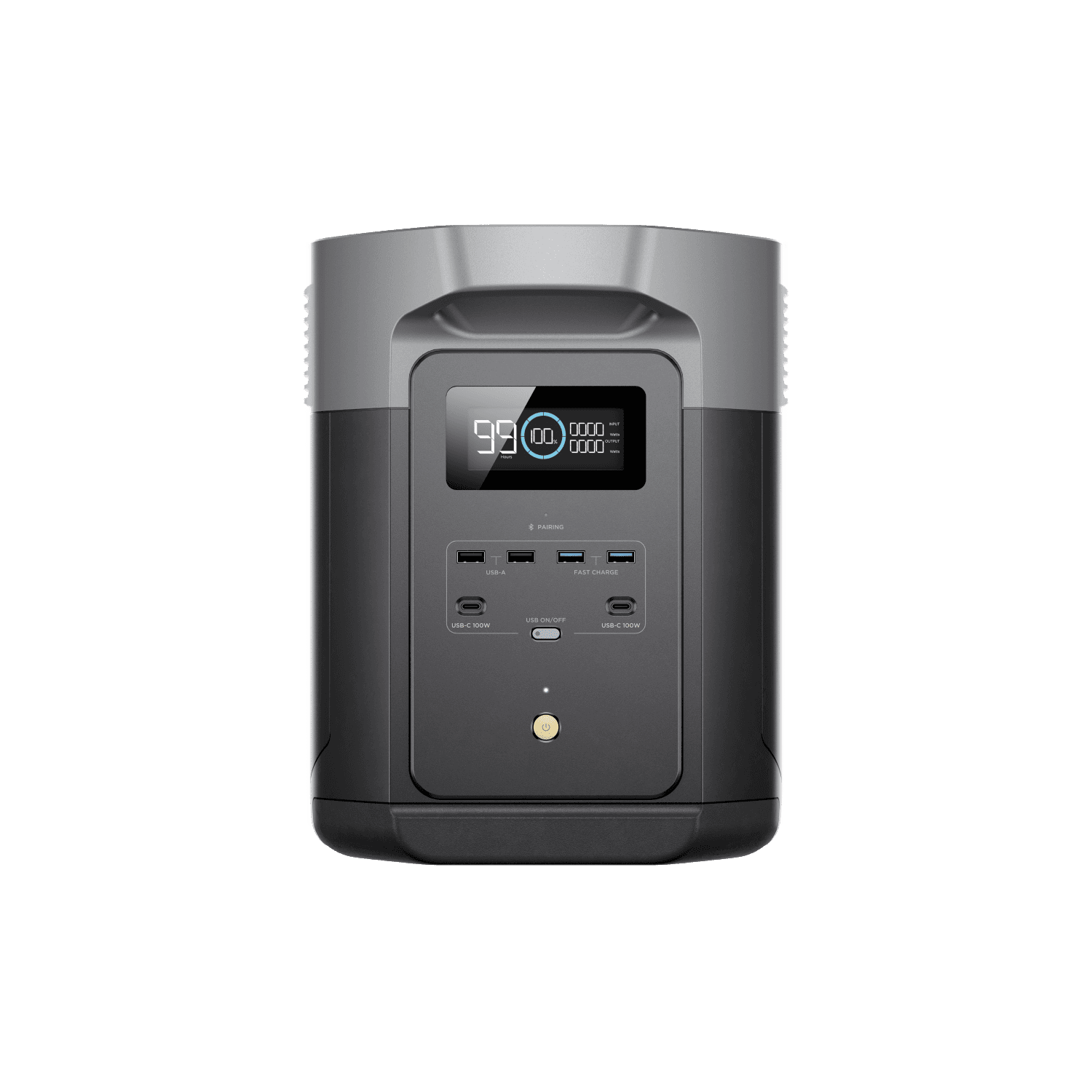
A solar generator is arguably the most important single purchase for emergency preparedness in 2026. When the grid goes down, a quality portable power station with solar panels keeps your refrigerator running, medical devices powered, phones charged, and lights on. After months of testing, here are our top picks for every budget and use case.
Our Top Picks at a Glance
- Best Overall: EcoFlow Delta 2 Max — 2048Wh, fast charging, expandable
- Best Value: Jackery Explorer 1000 Plus — excellent balance of power and price
- Best Budget: Anker SOLIX C1000 — fastest charging, great features under $1,000
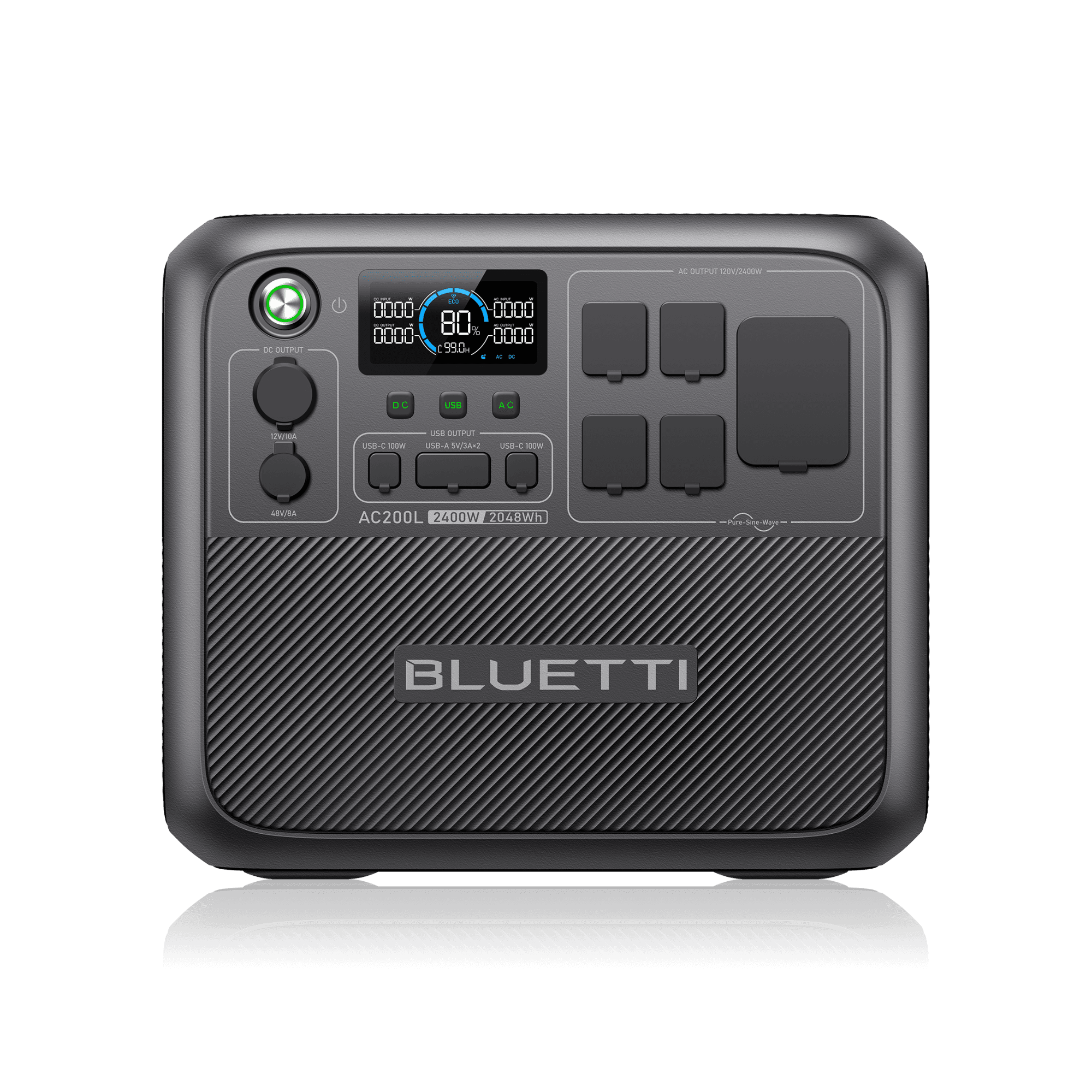
- Best Premium: Bluetti AC200MAX — most expandable system (up to 8192Wh)
- Best Build Quality: Goal Zero Yeti 1000X — tank-like durability
What to Look for in an Emergency Solar Generator
Before diving into reviews, understand the key specs that matter for emergency use: battery capacity (measured in Wh), output power (watts), battery chemistry (LFP preferred), charge cycles, charging speed, and port variety.
- Battery Capacity (Wh): 1000Wh minimum for family use. Calculate your daily needs: phone (30Wh), laptop (50Wh), fridge (1200-1500Wh/day), CPAP (200-400Wh/night)
- Battery Chemistry: LiFePO4 (LFP) batteries last 3000-4000+ cycles vs 500-800 for standard lithium-ion. Always choose LFP for emergency prep.
- Solar Input: Higher solar input = faster charging. Look for 400W+ solar input for all-day recharging.
- Weight: Consider whether you need to move it. 30-40 lbs is portable; 50+ lbs needs wheels.
1. EcoFlow Delta 2 Max — Best Overall
The EcoFlow Delta 2 Max earns our top spot with its exceptional combination of 2048Wh capacity, blazing-fast AC charging (0-80% in 43 minutes), and expandability up to 6144Wh. Its X-Stream technology means you can go from empty to usable in under an hour during an emergency.
EcoFlow Delta 2 Max
Pros
- Fastest AC charging in class (0-80% in 43 min)
- Expandable to 6144Wh with extra batteries
- LFP battery with 3000+ cycle life
- Smart app control and monitoring
- 6 AC outlets — enough for multiple devices
Cons
- Premium price point at $2,099
- Weighs 50 lbs — not the most portable
- Solar panels sold separately
EcoFlow Delta 2 Max
9.2
out of 10Capacity9.5
Recharge Speed9.8
Portability7.0
Expandability9.5
Value8.5
Our Verdict
Best overall solar generator for families who need maximum capacity and fastest charging. The premium price is justified by unmatched performance.
2. Jackery Explorer 1000 Plus — Best Value
The Jackery Explorer 1000 Plus delivers the best bang-for-buck in the 1000Wh+ category. At $1,299, it offers LFP battery longevity, 2000W output, and Jackery's reliable ChargeShield technology. It's the sweet spot for most families.
Jackery Explorer 1000 Plus
8.8
out of 10Capacity8.0
Recharge Speed7.5
Portability9.0
Expandability8.5
Value9.5
Our Verdict
Best value solar generator with excellent reliability and portability. The $800 savings over EcoFlow can fund solar panels and other essential gear.
3. Anker SOLIX C1000 — Best Budget
If you want the fastest charging under $1,000, the Anker SOLIX C1000 is unbeatable. Its HyperFlash technology charges 0-100% in just 58 minutes. The built-in retractable light bar is a clever addition for emergency use.
4. Bluetti AC200MAX — Most Expandable
For preppers building a whole-home backup system, the Bluetti AC200MAX's modular design is unmatched. Add B230 or B300 expansion batteries to scale from 2048Wh all the way to 8192Wh. Its 7 different charging methods provide maximum flexibility.
5. Goal Zero Yeti 1000X — Best Build Quality
Goal Zero's reputation for rugged, reliable gear extends to the Yeti 1000X. With its aluminum body, premium components, and trust earned among first responders, it's the station you buy when reliability is everything.
How Long Will a Solar Generator Run My Appliances?
Here's a practical runtime guide for a 2000Wh power station: Refrigerator: 12-24 hours. Phone charging: 100+ charges. Laptop: 25-30 charges. LED lights: 100+ hours. CPAP: 4-8 nights. Electric blanket: 10-15 hours. WiFi router: 40+ hours.
Frequently Asked Questions
Final Thoughts
For most families, we recommend starting with the Jackery Explorer 1000 Plus (best value) or EcoFlow Delta 2 Max (best overall). Pair it with a 200-400W solar panel for renewable charging. A quality solar generator is an investment that pays for itself the first time the power goes out — and that peace of mind is priceless.
Where to Buy
We may earn a commission when you purchase through these links, at no extra cost to you. This supports our independent research.
Related Articles
Solar Generators
Comparison
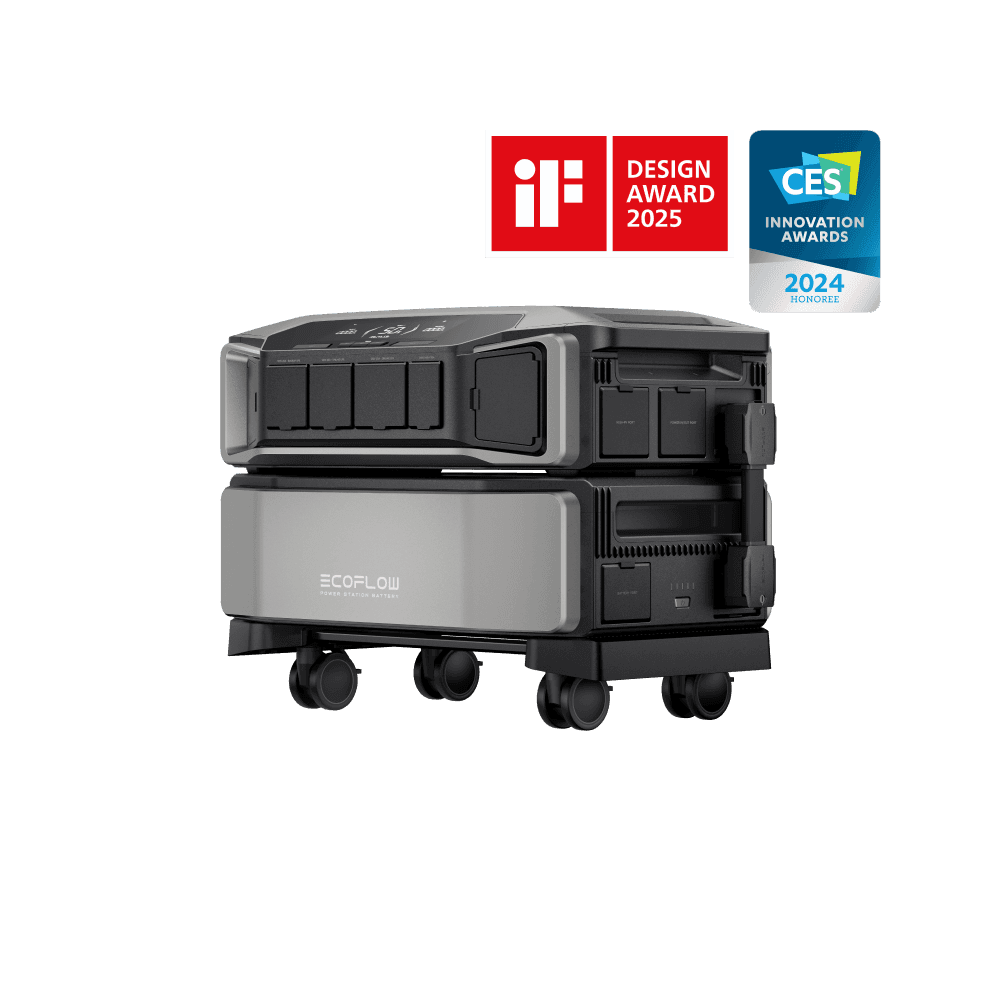
Best Solar Generators for Home Backup Power: 2026 Update
We compared the top solar generators for home backup in 2026 — capacity, output, expandability, and value. Picks from EcoFlow, Bluetti, Anker, and Jackery.
Read more →
Solar Generators
Comparison
Solar Generator vs Gas Generator: Which Is Better for Hurricane Season 2026?
Compare solar generators and gas generators for hurricane season 2026 — upfront costs, runtime, safety, and total cost of ownership with our top three solar picks.
Read more →
Solar Generators
Comparison
Best Home Battery Backup Systems: Solar + Storage for Grid Independence (2026)
The top solar + battery backup systems for 2026 compared: capacity, solar input, cost, and IRA tax credit eligibility.
Read more →

Emergency Food
Guide
Growing Your Own Emergency Food Garden: A Beginner's Guide
Learn how to grow an emergency food garden as a beginner — best crops, planting calendar, seed saving, and how to store what you grow for year-round food security.
Read more →