GuidesGuide
Winter Power Outage Survival Guide: Keep Your Family Safe When the Grid Fails
Winter Storm Fern left 750,000 without power in January 2026. This guide covers how to stay warm, keep devices charged, and protect your family during a winter power outage.
By Editorial Team6 min read
Affiliate Disclosure: This article contains affiliate links. We may earn a commission if you purchase through these links, at no extra cost to you. Our editorial recommendations are independent of these partnerships. Learn about our editorial standards.
Key Takeaways
- 1Hypothermia is the #1 danger during winter outages — it can develop in 60°F indoor temps within hours for elderly and children
- 2EcoFlow Delta 2 Max is our top pick for winter backup power — runs a space heater for 6-8 hours on a single charge
- 3Layer clothing, seal drafty windows with plastic sheeting, and gather family in one room to conserve heat
- 4Never run a gas generator, charcoal grill, or propane heater indoors — carbon monoxide kills silently
Introduction
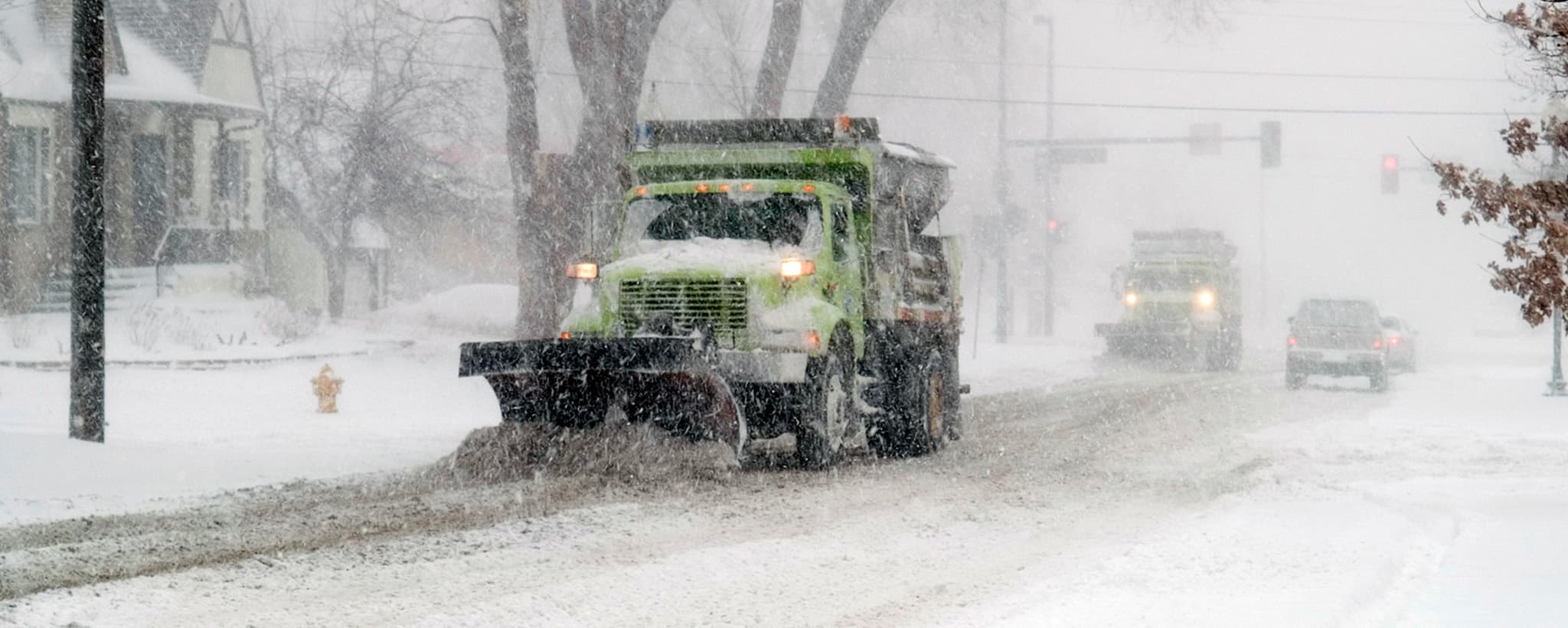
Between January 23 and 27, 2026, Winter Storm Fern tracked across the Mid-Atlantic states and Carolinas, leaving 750,000 customers without power. The disruption was severe enough that the Department of Energy issued an emergency order to prioritize power restoration across the affected region. For many households, the outage lasted days — not hours.
According to Department of Energy data, the average US power outage duration has risen to 12.8 hours and continues to trend upward as aging grid infrastructure meets increasingly severe weather events. This guide covers everything you need to keep your family safe and comfortable during a winter power outage.
Key Takeaways
- The average US power outage now lasts 12.8 hours — but winter storm outages frequently extend to 24–72+ hours
- Without heat, most homes lose 1°F per hour in cold weather; the safe indoor minimum for health is 55°F
- A mid-range portable power station (1,000–2,000Wh) can run a space heater, keep phones charged, and power a CPAP machine through most storm outages
- Carbon monoxide poisoning is the primary cause of storm-related deaths — never run generators, gas stoves, or camp stoves indoors
- A simple 72-hour preparation checklist dramatically reduces the impact of most winter outages
Understanding Your Real Risk: How Long Could You Be Without Power?
Most people assume a power outage means a few hours of inconvenience. Nationally, that's been true historically — but the trend is moving in the wrong direction. In the Winter Storm Fern event, many customers in affected areas were without power for 48–72 hours during below-freezing temperatures — the scenario where being without heat creates genuine health risk.
Your local utility's track record matters. In regions with underground infrastructure, outages tend to be shorter. In areas with overhead lines and older equipment, multi-day outages during ice storms are common. Knowing your realistic risk helps you calibrate how much backup capacity to invest in.
When Does Cold Become Dangerous?
The CDC recommends maintaining indoor temperatures of at least 55°F to protect vulnerable household members. Hypothermia can begin at temperatures well above freezing — the risk rises for infants, people over 65, and those with cardiovascular or thyroid conditions.
The First 30 Minutes: Immediate Actions When the Power Goes Out
1. Confirm it's a utility outage, not a tripped breaker. Check your panel first. If your neighbors are also dark, it's a grid outage.
2. Report the outage to your utility. Most utilities prioritize restoration by the number of outage reports in an area.
3. Preserve your heating. Close interior doors to trap warm air in the rooms you'll occupy. Hang blankets over drafty windows. A well-insulated home loses only about 1°F per hour.
4. Activate your backup power. If you have a portable power station, plug in your phone, CPAP machine, and refrigerator in that order of priority.
5. Switch to your emergency radio. A weather radio gives you broader situational awareness — road conditions, shelter locations, weather updates.
Staying Warm: Heating Options That Don't Require Grid Power
Your central heating system — whether gas furnace, heat pump, or electric — won't run without grid electricity. Even gas furnaces require an electrical ignition and blower motor.
Portable Electric Space Heaters
With adequate backup power, a small electric space heater is the cleanest and safest heating option during an outage. A typical 750W space heater on its low setting can maintain a small bedroom at comfortable temperatures.
The math: A 750W heater running on a 2,048Wh portable power station (like the EcoFlow Delta 2 Max) would run for approximately 2.7 hours at full load. That's enough to take the chill off a room and make the rest of your warmth strategy manageable.
Propane Heaters (Indoor-Rated Only)
Propane heaters designed specifically for indoor use — like the Mr. Heater Buddy series — are widely used during winter outages. They run on 1-lb propane cylinders and require no electricity.
Critical safety note: Only use indoor-rated propane heaters. Outdoor propane heaters produce carbon monoxide — the leading cause of non-fire related storm deaths. Even indoor-rated heaters should be used with a battery-powered CO detector.
Layering and Passive Warmth
- Gather the household into one room — shared body heat matters
- Use sleeping bags rated for indoor winter use
- Wool base layers retain warmth even when wet
- Hot-water bottles (filled with water heated on a camp stove) stay warm for hours under blankets
The Survival Frog QuickHeat Rechargeable Hand Warmer provides several hours of warmth per charge cycle, pre-charges from any USB source, and doubles as a small backup battery for phones. More practical and reusable than single-use chemical hand warmers.
Backup Power: Choosing the Right Portable Power Station
The most impactful investment for winter power outage preparedness is a quality portable power station. Unlike generators, portable power stations are silent, produce zero emissions, and can operate safely inside your home.
Winter Outage Power Stations — 2026 Comparison
| Feature | ||
|---|---|---|
| Price | ~$1,699 | ~$1,399 |
| Capacity | 2,048Wh | 2,048Wh |
| AC Output | 2,400W | 2,200W |
| Charge Time (AC) | 1.3 hrs (X-Stream) | 3–4 hrs (standard) |
| Best For | Most families; CPAP + fridge + devices | Expandable battery; solar priority |
EcoFlow Delta 2 Max
~$1,699
- Capacity
- 2,048Wh
- AC Output
- 2,400W
- Charge Time (AC)
- 1.3 hrs (X-Stream)
- Best For
- Most families; CPAP + fridge + devices
Bluetti AC200MAX
~$1,399
- Capacity
- 2,048Wh
- AC Output
- 2,200W
- Charge Time (AC)
- 3–4 hrs (standard)
- Best For
- Expandable battery; solar priority
EcoFlow Delta 2 Max
The EcoFlow Delta 2 Max is our top recommendation for most families preparing for winter power outages. It delivers 2,048Wh of capacity with a 2,400W AC output — enough to run a refrigerator, a CPAP machine, and keep phones and LED lights running for 24–48 hours depending on your load.
Its standout feature is recharge speed. The X-Stream proprietary charging system fills the Delta 2 Max from 0 to 80% in about 65 minutes from a standard wall outlet — meaning you can fully charge it before a forecasted storm and top it off quickly if power is briefly restored.
EcoFlow Delta 2 Max
Pros
- Best-in-class AC recharge speed (0–80% in ~65 min from wall outlet)
- 2,400W AC output handles most household appliances including window AC
- Expandable with add-on battery packs to double or quadruple capacity
- Supports solar input (up to 1,000W) for multi-day scenarios
Cons
- Higher price point (~$1,699) vs. comparable competitors
- Heavy at 50 lbs — not ideal for portability
- Expandable batteries add cost if you need extended runtime
Bluetti AC200MAX
The Bluetti AC200MAX offers the same 2,048Wh capacity at a lower starting price (~$1,399). Its key differentiator is expandability: add-on B230 or B300 battery modules can bring total capacity to 8,192Wh, making it a practical foundation for whole-home backup.
The AC200MAX charges more slowly from wall power (3–4 hours) but accepts up to 900W of solar input — which matters for extended outages where grid power may not be available for days.
Bluetti AC200MAX
Pros
- Lower starting price (~$1,399) for equivalent base capacity
- Expandable to 8,192Wh with add-on batteries — future-proof investment
- Accepts up to 900W solar input — best solar performance in its class
- LiFePO4 battery chemistry: 3,500+ cycle life
Cons
- Slower AC recharge (3–4 hours vs. ~1.3 hours for EcoFlow)
- Heavier and bulkier than the EcoFlow Delta 2 Max
- App interface less polished than EcoFlow's ecosystem
Communication During a Winter Outage
The Midland ER310 Emergency Radio is the single most practical communication tool for a winter outage scenario. It receives NOAA weather alerts automatically, picks up AM/FM for local news, and recharges via hand crank, solar, or USB. It also includes a USB charging port to keep your phone topped off. At under $50, it's one of the highest-value items in any emergency kit.
Food and Water During a Winter Power Outage
Most winter outages lasting under 48 hours don't require significant food adjustments. Your refrigerator will keep food safe for 4 hours without power; a full freezer maintains safe temperatures for 48 hours. During the outage, keep refrigerator and freezer doors closed as much as possible.
For longer outages, you'll need non-perishable food that requires minimal or no cooking:
- Canned goods (vegetables, beans, soups, fruits)
- Crackers, nut butter, granola bars, dried fruit
- Shelf-stable milk, UHT cartons
- Instant oatmeal, ramen noodles (if you have a camp stove for boiling water)
Carbon Monoxide Safety — The Most Important Rule
Carbon monoxide poisoning kills more people during winter storms than hypothermia does. Never run a gas generator, propane heater, charcoal grill, or gas camp stove inside your home, garage, or enclosed porch — even with a window open. Install battery-powered CO detectors on every floor. The CDC recommends testing them monthly.
Building Your Winter Outage Preparation Kit
Essential items:
- Flashlights or headlamps with extra batteries
- Battery-powered CO and smoke detectors
- Emergency weather radio (Midland ER310)
- Portable power station (optional but high-impact)
- First aid kit
- 3-day supply of non-perishable food per person
- Minimum 3 gallons of water per person
- Warm sleeping bags rated to 20°F or below
- Extra blankets and warm clothing layers
- Indoor-rated propane heater with 4–6 fuel canisters
- Camp stove (for cooking, outdoor use only) with fuel
- Rechargeable hand warmers
Frequently Asked Questions
How long can a house stay warm during a winter power outage?
A well-insulated modern home typically loses about 1°F per hour in outdoor temperatures around 20–30°F. Most healthy adults are comfortable down to 60°F indoors; below 55°F is where health risk begins for vulnerable people. A 12-hour outage in a typical home usually results in a manageable temperature drop of 10–12°F.
Is it safe to run a portable power station indoors during a winter outage?
Yes. Portable power stations (battery-based systems) produce no exhaust, no carbon monoxide, and no combustion — they're safe for indoor use. This is one of their key advantages over gas generators, which must always be operated outdoors at least 20 feet from any window or door.
What size portable power station do I need for a winter outage?
For most families, 1,000–2,000Wh provides meaningful coverage. At 1,000Wh, you can run a CPAP machine for 12+ hours, charge phones and laptops multiple times, and power LED lighting. At 2,000Wh, you add the ability to run a small refrigerator, an electric space heater intermittently, and other higher-draw devices.
Can I use my gas fireplace during a power outage?
Most gas fireplaces with electronic ignition won't function without grid power. If your gas fireplace has a standing pilot light (continuous, always-lit flame), it will typically continue to operate during a power outage. Check your fireplace model's manual to confirm.
Should I let my faucets drip during a winter power outage?
Yes, if temperatures inside your home drop near freezing. Moving water freezes more slowly than standing water. A slow drip from both hot and cold taps on exterior-facing pipes helps prevent pipe freezing and the far more costly problem of burst pipes.
Frequently Asked Questions
Bottom Line
Winter Storm Fern reminded 750,000 households in early 2026 that grid power is more fragile than most people assume. The good news: preparing for a winter power outage is genuinely straightforward, and the key investments pay dividends across many scenarios beyond winter storms.
For most families, the EcoFlow Delta 2 Max provides the best combination of capacity, recharge speed, and reliability for a winter outage scenario. Pair it with a Midland ER310 for communication, a quality indoor sleeping bag for warmth redundancy, and a 3-day food and water supply, and you've covered the vast majority of realistic outage scenarios.
winter power outage survival guidewinter storm power outagehome power backup winterkeep warm during power outagepower outage preparedness 2026portable power station winter
Where to Buy
We may earn a commission when you purchase through these links, at no extra cost to you. This supports our independent research.
Related Articles

Guides
Checklist
The Complete Emergency Preparedness Checklist for 2026 (Updated)
The complete emergency preparedness checklist for 2026 — water, food, power, communications, first aid, documents, shelter, and evacuation. Updated for current events and products.
Read more →
Guides
Comparison
Best Air Purifiers for Wildfire Smoke and Emergency Air Quality (2026)
Find the best air purifier for wildfire smoke in 2026. We compare True HEPA models by CADR, room coverage, and activated carbon filtration — plus how to run them during power outages.
Read more →
Guides
Pillar
Hurricane Prep 2026: How to Get Ready Before the Season Starts
Get your home and family ready for the 2026 Atlantic hurricane season with this complete guide: emergency kit, power backup, home hardening, evacuation plan, and insurance checklist.
Read more →