Water FiltrationPillar
Best Water Filter for Survival Situations
The definitive guide to survival water filters. We compare Berkey, Sawyer, LifeStraw, Katadyn, and MSR across filtration capability, flow rate, weight, and real-world reliability.
By Editorial Team2 min read
Affiliate Disclosure: This article contains affiliate links. We may earn a commission if you purchase through these links, at no extra cost to you. Our editorial recommendations are independent of these partnerships. Learn about our editorial standards.
Key Takeaways
- 1Big Berkey ($399) is best for home — gravity-fed, no electricity needed, filters 6,000 gallons per filter pair
- 2Sawyer Squeeze ($37) is the must-have for bug-out bags — 3 oz weight, filters 100,000 gallons
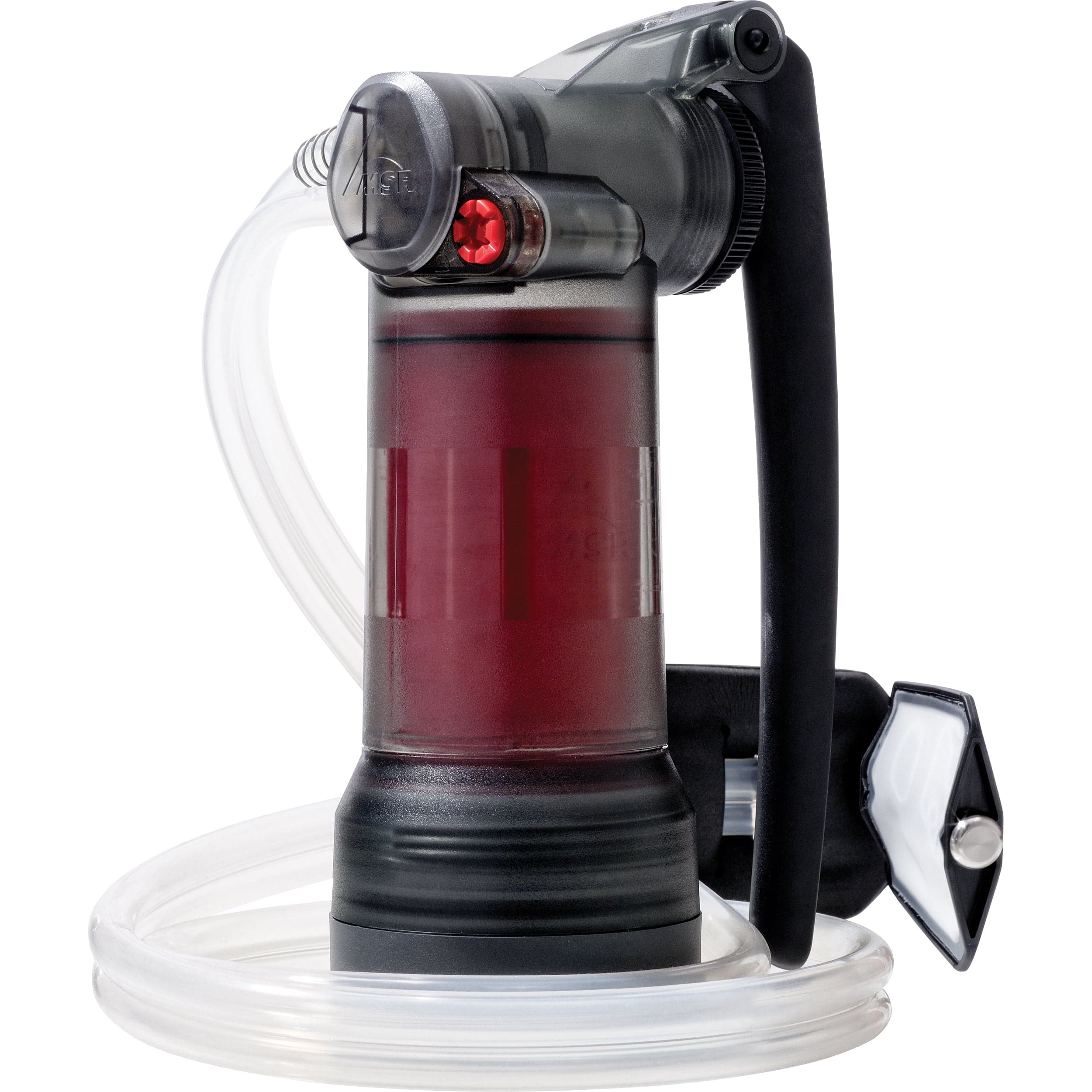
- 3MSR Guardian ($349) is the only portable pump that removes viruses, bacteria, and protozoa combined
- 4Use a 3-layer strategy: stored water (72 hrs), home filter (Berkey), portable filter (Sawyer) in go-bag
Clean water is the single most critical survival need — you can survive weeks without food but only 3 days without water. In a prolonged emergency, municipal water systems may fail, making a reliable water filter literally a matter of life and death. Here's our expert comparison of the 5 best survival water filters for different scenarios.
Our Top Picks by Use Case
Best Home Filter: Big Berkey ($399) — gravity-fed, no electricity, filters for a family. Best Bug-Out Bag: Sawyer Squeeze ($37) — 3 oz, 100K gallon capacity. Best Budget/Gift: LifeStraw ($19) — simple, effective, everyone should have one. Best Group Filter: Katadyn Hiker Pro ($89) — pump-style, fast flow for groups. Best Premium/Military: MSR Guardian ($349) — the only pump that removes viruses.
Bacteria vs Viruses: Why It Matters
Most portable filters remove bacteria and protozoa (like Giardia and Cryptosporidium) but NOT viruses. In North America, viral contamination of natural water is rare, so filters are usually sufficient. But in disaster scenarios with sewage contamination, or in developing countries, you need a purifier that removes viruses too.
Only two products on our list handle viruses: the Big Berkey (with optional PF-2 fluoride filters) and the MSR Guardian. The others are excellent filters but not purifiers in the strict sense.
1. Big Berkey — Best for Home Emergency
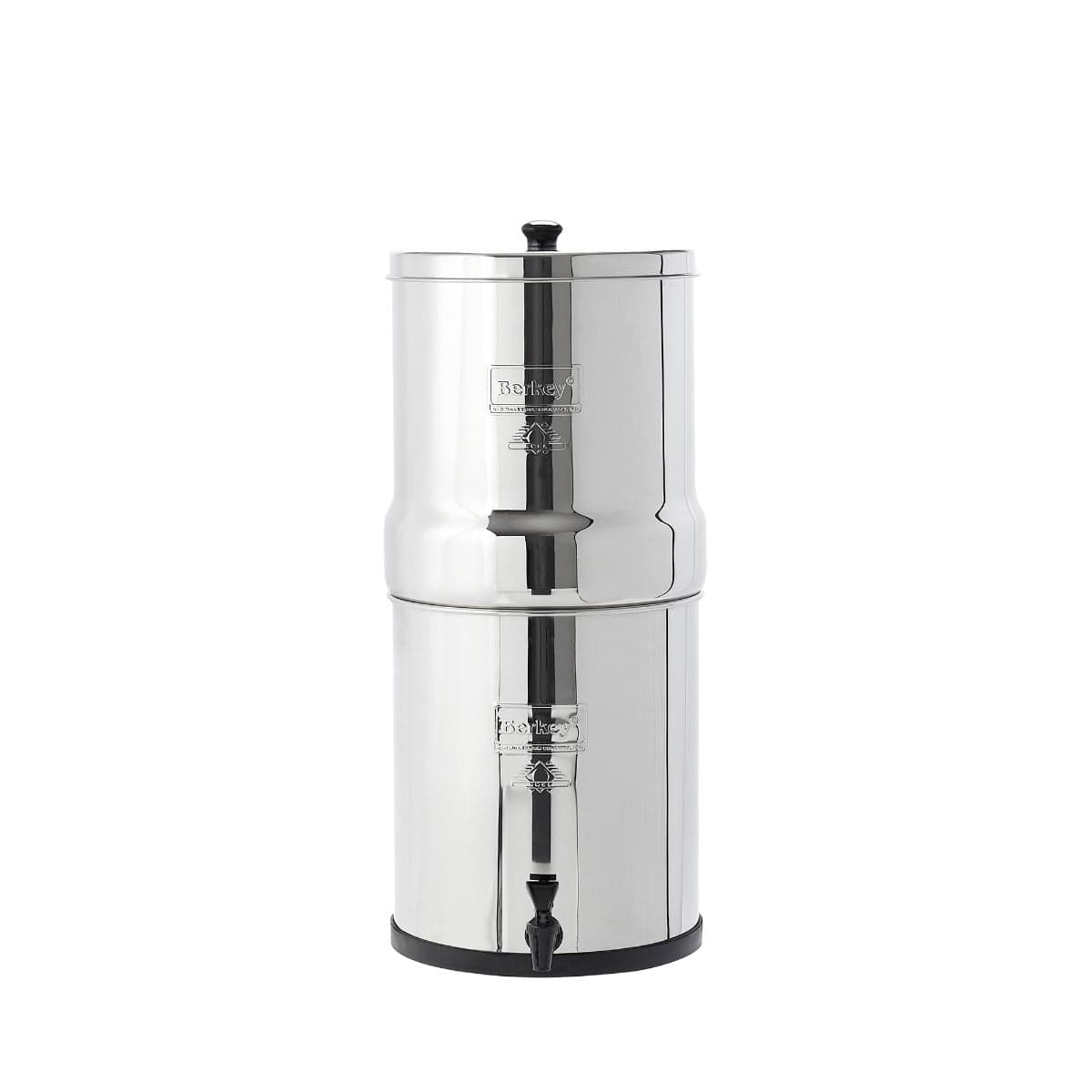
The Big Berkey is the gold standard for home water purification. It uses gravity — no electricity or water pressure needed. Fill the top chamber, and purified water collects in the bottom. Each pair of Black Berkey filters handles 6,000 gallons before replacement. For a family of 4 using 1 gallon per person per day, that's over 4 years of clean water.
2. Sawyer Squeeze — Best for Bug-Out Bags
The Sawyer Squeeze weighs just 3 oz and filters 100,000 gallons — essentially a lifetime supply. Use it as a straw, attach it inline to a hydration pack, or set up a gravity system with the included pouches. It's the most versatile filter available and a must-have for any emergency kit.
3. LifeStraw — Best Budget Option
At $19, there's no excuse not to have a LifeStraw in every emergency kit, car, and office drawer. It's simple — dip and drink. The 1,000-gallon lifespan covers most emergency scenarios. It's not the most versatile (straw-only use), but its simplicity is its strength.
4. Katadyn Hiker Pro — Best for Groups
When you need to filter water for a group quickly, the Katadyn Hiker Pro's pump design delivers 1 liter per minute. Used by the US military and search-and-rescue teams, it's field-serviceable and rugged. The pump mechanism is faster than gravity for filling multiple bottles.
5. MSR Guardian — Best Premium Purifier
The MSR Guardian is the ultimate survival water purifier. It's the only pump purifier that meets NSF P248 military purification standard — physically removing viruses, bacteria, protozoa, and particulate. At $349, it's an investment, but there's nothing else like it on the market.
Recommended Layered Approach
We recommend a three-layer strategy: (1) Stored water — 1 gallon per person per day for at least 3 days. (2) Home filter — Big Berkey for extended shelter-in-place. (3) Portable filter — Sawyer Squeeze in your bug-out bag. This covers immediate needs, extended stays, and evacuation scenarios.
Big Berkey
9.3
out of 10Filtration Quality9.8
Flow Rate7.5
Portability5.0
Durability9.5
Value9.0
Our Verdict
The gold standard for home emergency water purification. Gravity-fed operation means zero dependence on electricity or water pressure.
Sawyer Squeeze
9.0
out of 10Filtration Quality8.5
Flow Rate8.0
Portability10.0
Durability8.5
Value9.5
Our Verdict
The ultimate bug-out bag filter. At 3 oz with a 100,000-gallon capacity, it is the most versatile portable filter available.
Frequently Asked Questions
Final Thoughts
Start with a LifeStraw ($19) or Sawyer Squeeze ($37) for immediate emergency coverage. Add a Big Berkey for home use when budget allows. Clean water is non-negotiable — invest in filtration before anything else.
Where to Buy
We may earn a commission when you purchase through these links, at no extra cost to you. This supports our independent research.
Related Articles
Water Filtration
Pillar
How to Store Emergency Water: The Complete Family Guide
Learn how to store emergency water safely — how much your family needs, best containers, treatment methods, and rotation schedule. FEMA-backed guidance.
Read more →
Water Filtration
Comparison
Best Water Filters for Emergency Preparedness (2026 Review)
Reviews of the 5 best water filters for emergency preparedness in 2026, covering gravity filters, pump filters, squeeze filters, and purifiers with flow rate and capacity comparison.
Read more →